Authentic coins from Rome, Greece, and Byzantium - $10 to $150. Start building a collection that outlasts you.
Not all ancient coins are created equal. After years of sourcing coins and helping thousands of first-time collectors, we've identified five categories that hit the perfect intersection of affordability, authenticity, and historical impact.
These aren't random picks. Each category was chosen because it lets a beginner spend $10–$150 and walk away with something genuinely 1,500–2,500 years old, legally owned, and worth showing off.
"Every coin in these categories carries the actual touch of ancient hands - not a reproduction, not a cast. The real thing."Explore All 5 Categories →
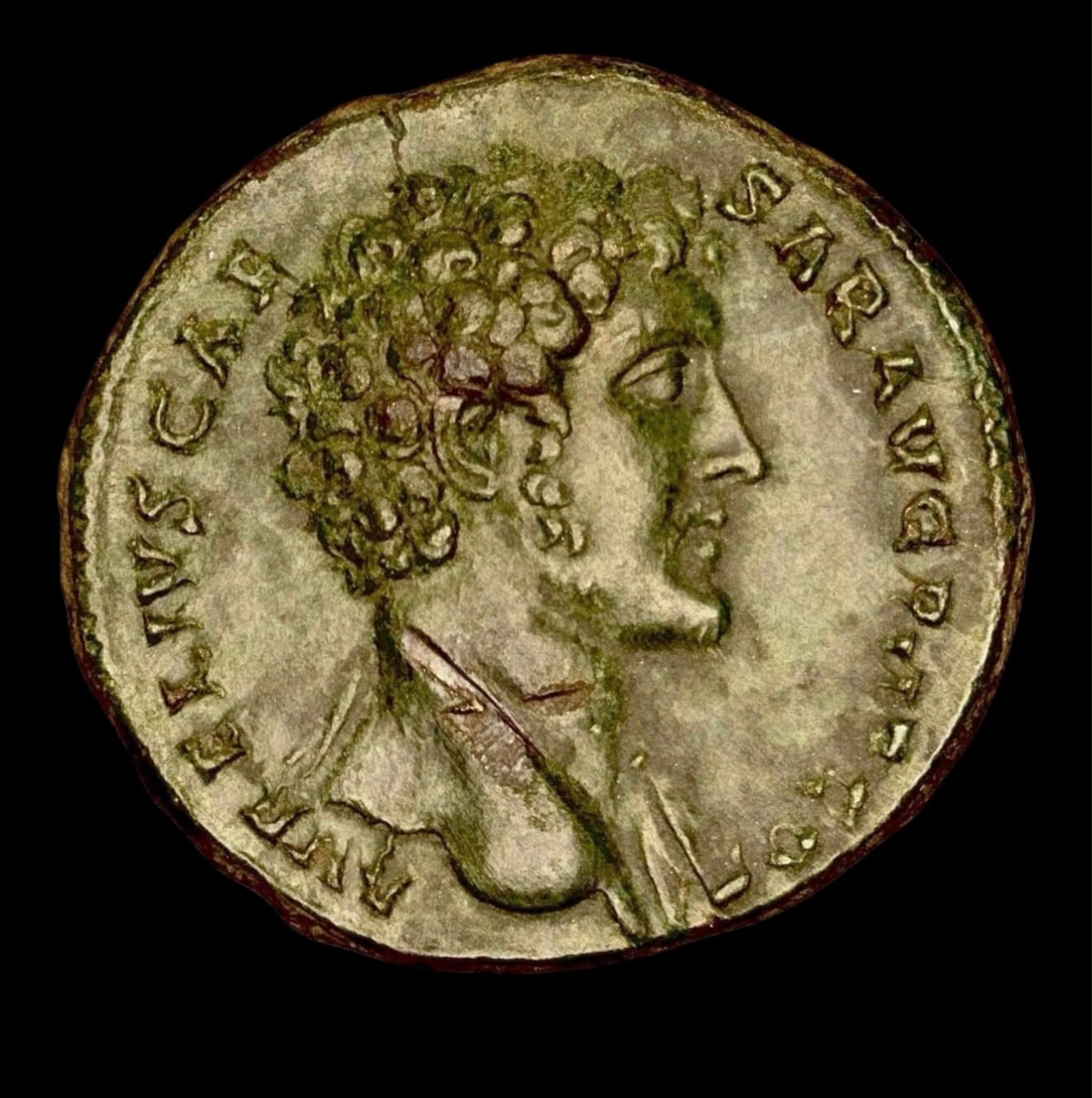
Affordable, abundant, and connected to emperors you recognize.
Portraits of Caesar, Augustus, Nero - the dollar bill of Rome.
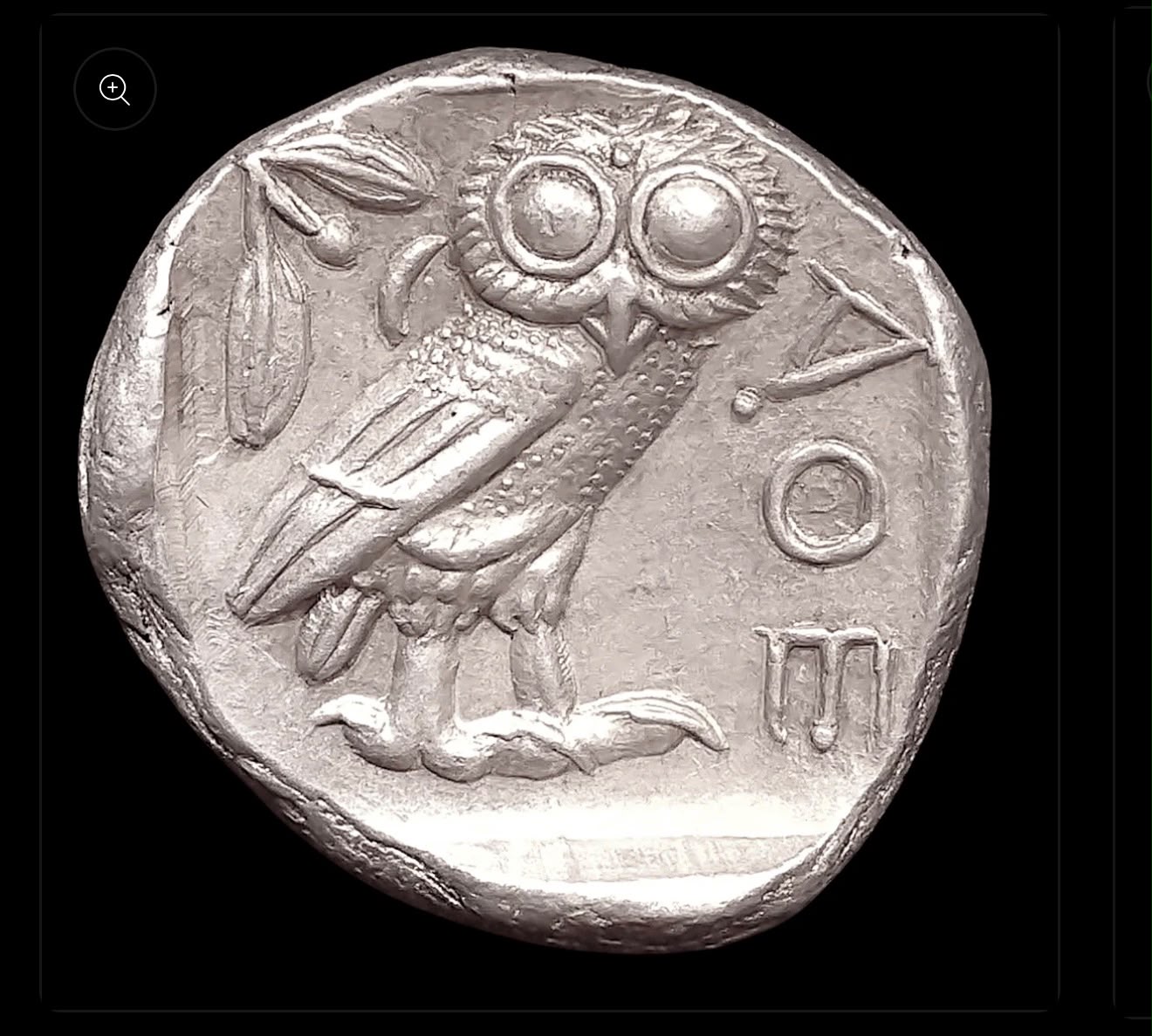
Owls, gods, city symbols - each coin tells a vanished story.
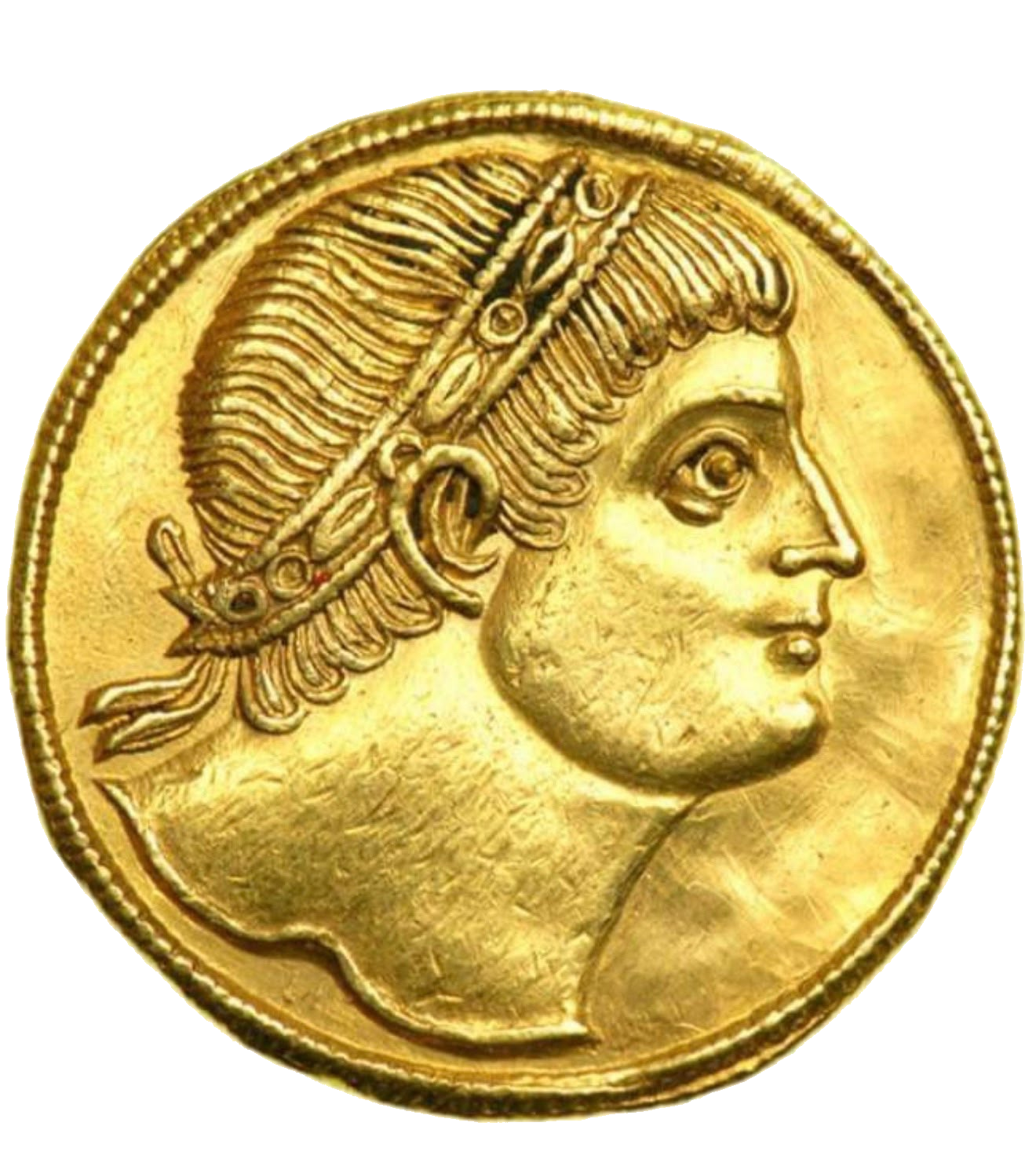
Emperors, Christ, Greek legends — 1,000 years of the Eastern Empire in bronze.
Herod, Pilate, the Hasmoneans — coins from the Holy Land during the time of Christ.
Full details on what each coin is, what it costs, and why it belongs in your first collection.

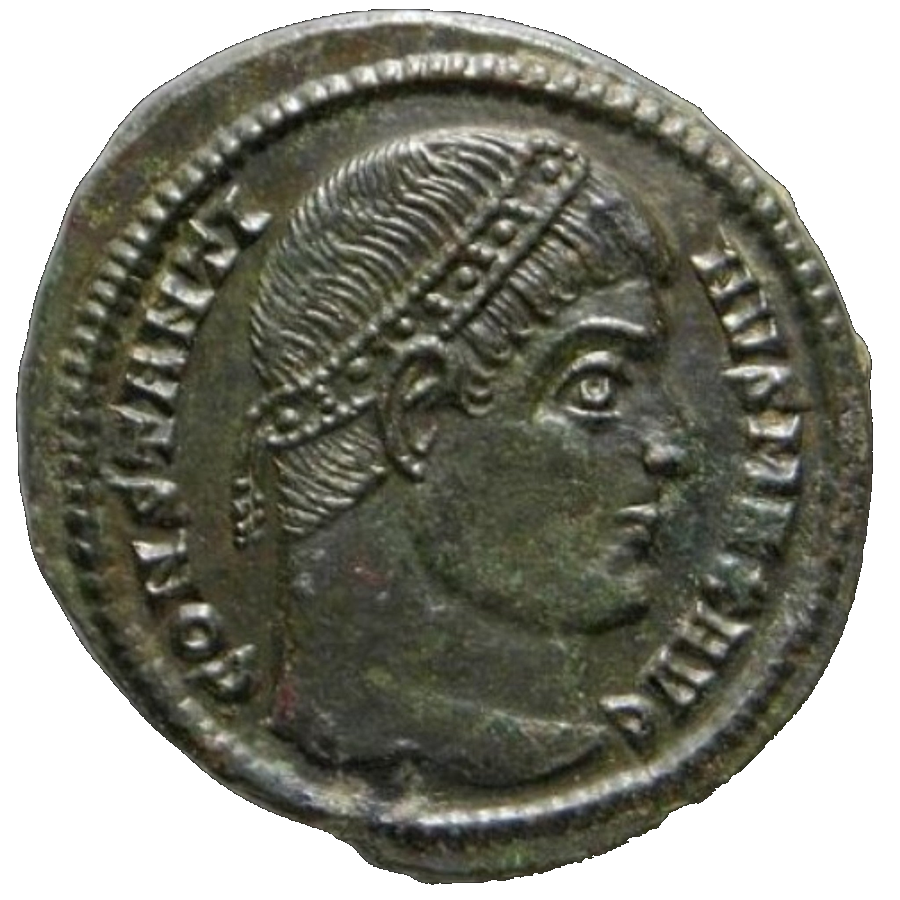
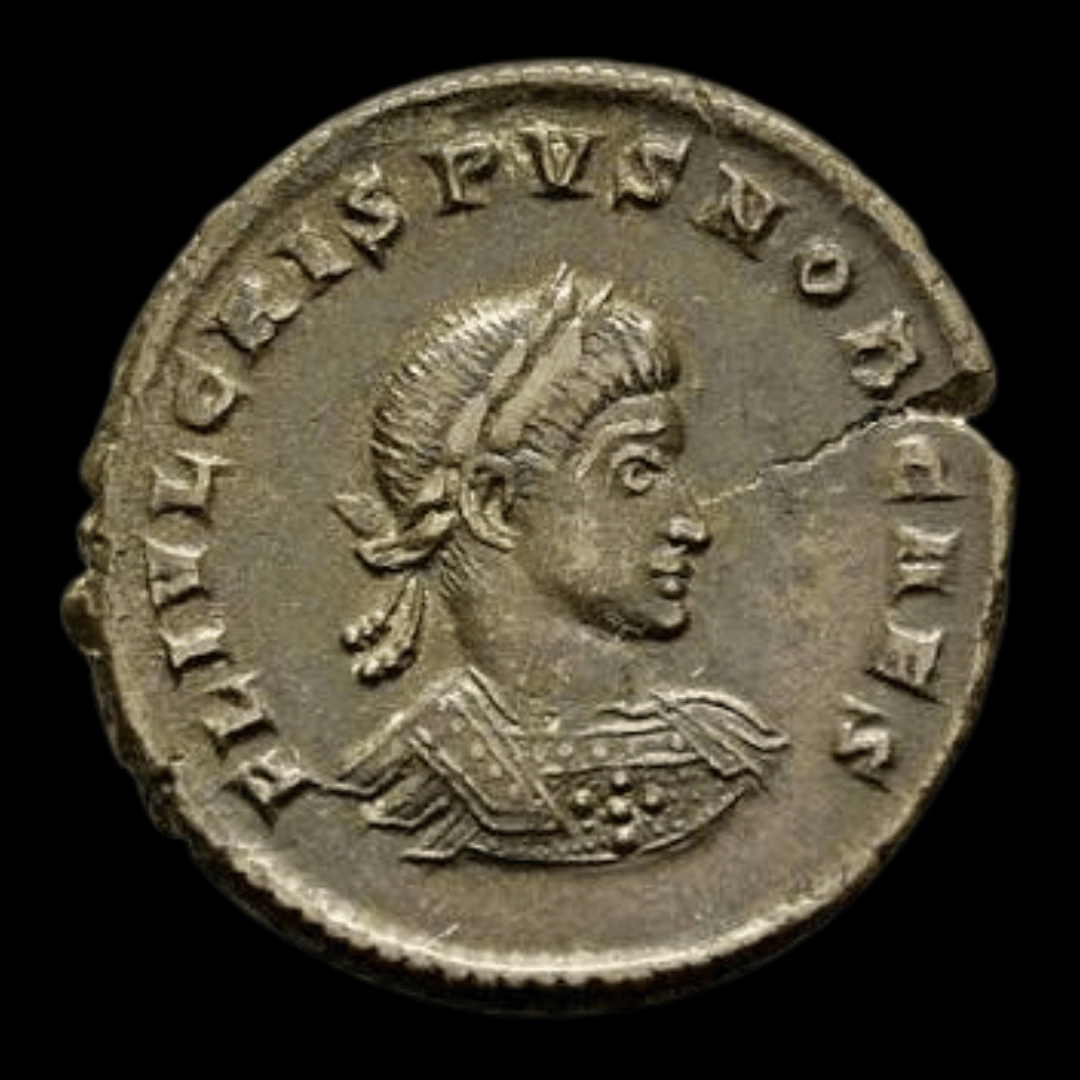
These are the coins that paid legionaries, bought bread in Roman markets, and changed hands a thousand times before ending up in your collection. The most accessible ancient coins in the world - connected to emperors you already know.
Price Range
"A Fine Constantinian bronze can be had for under $40. That's 1,700 years old with a real emperor's face - for less than dinner."Start with Roman Bronze →

The backbone of the Roman economy for 400 years. Emperors from Augustus to Septimius Severus paid armies and funded empires with silver denarii. Own a coin bearing a real imperial portrait — struck in pure silver nearly 2,000 years ago.
Price Range
"A NGC-certified denarius of Septimius Severus in Fine runs $148–$160. Genuine silver. Genuine history."Start with Silver Denarii →

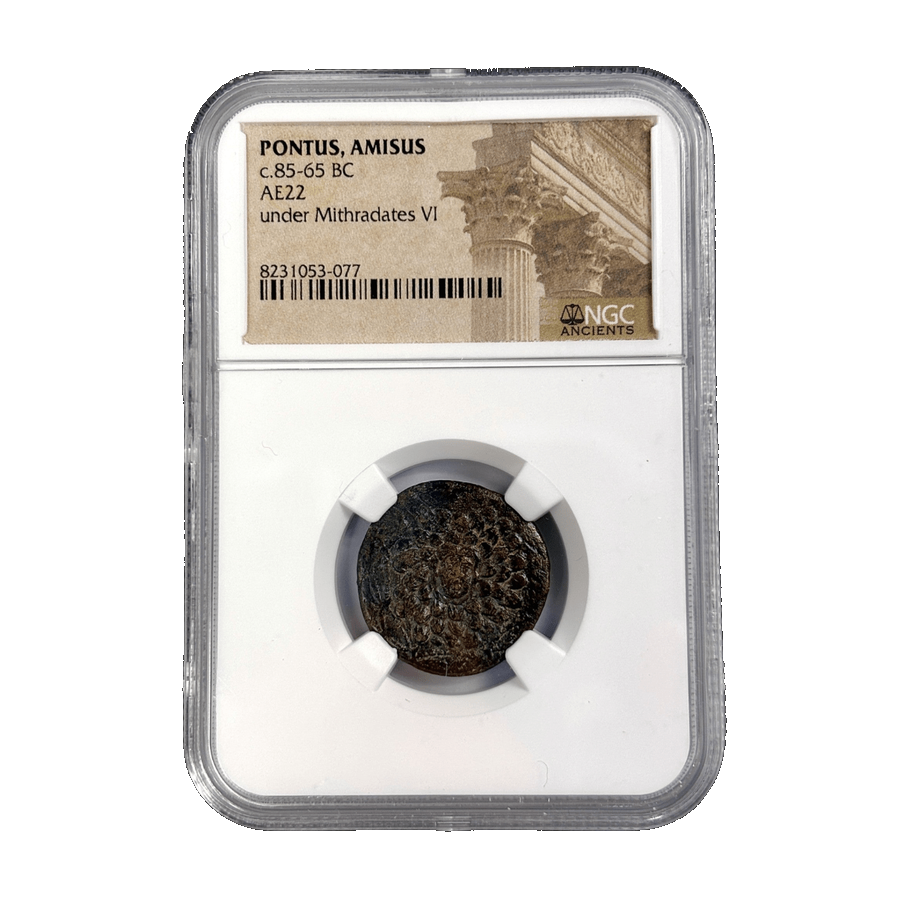
Before Rome, the Greek world minted coins of extraordinary variety and artistry. Philip II of Macedon — father of Alexander the Great — struck this bronze just before his assassination in 336 BC. These coins carry the weight of a civilization at its peak.
Price Range
"A Philip II bronze struck while Alexander was still a teenager — 2,360 years old and you can hold it in your hand."Start with Greek Bronze →

The Byzantine Empire lasted over 1,000 years and minted some of the most artistic coins in history. Bronze folles and half-folles show emperors in full regalia — Christ on the reverse, bold Greek legends, and craftsmanship that outlasted the empire itself. The most affordable entry point into Byzantine history.
Price Range
"A bronze follis of Justinian - minted while the Hagia Sophia was being built - can start around $30. History at its most wearable."Start with Byzantine Bronze →

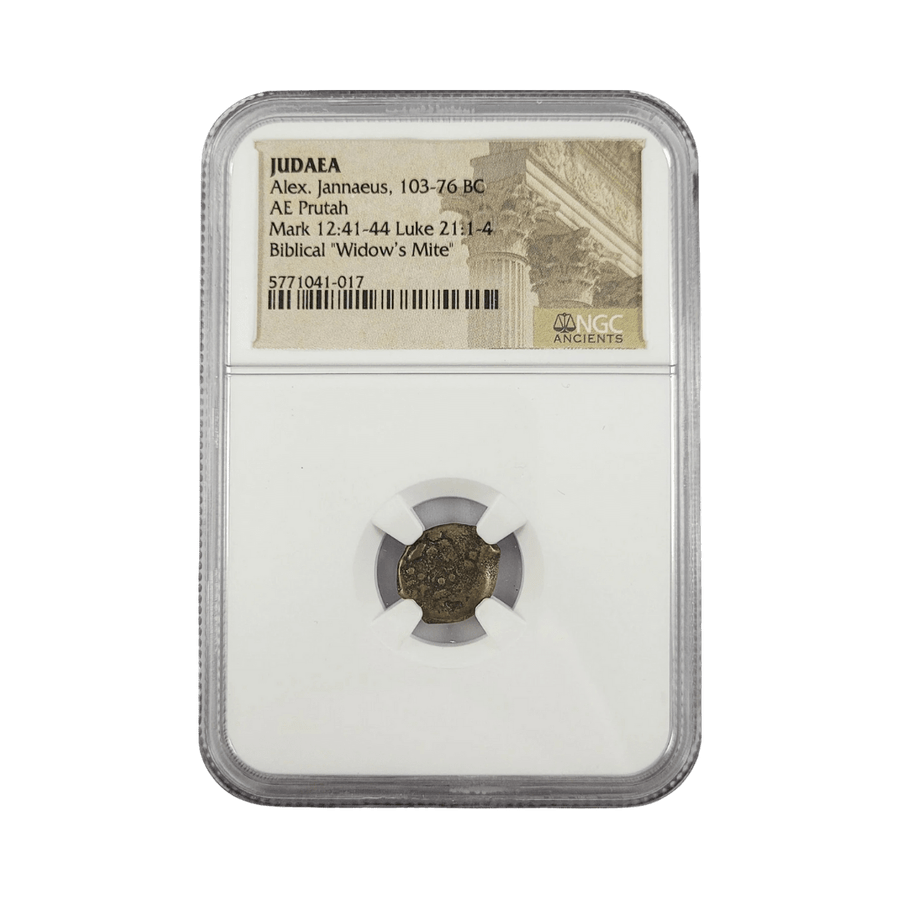
Coins minted in the Holy Land — by kings and governors whose names appear in the Bible. Herod the Great, Pontius Pilate, the Hasmoneans. These small bronze prutot circulated in Jerusalem during the time of Christ, making them among the most historically loaded coins a collector can own.
Price Range
"A Herod the Great prutah — minted by the king who built the Second Temple — starts around $35. Pontius Pilate coins run $60–$100."Start with Biblical Bronze →
Three paths based on budget and ambition. Every coin authenticated, documented, ready to ship.
Perfect for first-timers who want to hold history without a big commitment.
Serious about building a curated collection of display-worthy coins.
Investors and serious collectors wanting exceptional, investment-grade pieces.
"Every coin ships with a Certificate of Authenticity and a reference card explaining exactly who made it and when."
NGC-certified sets designed to give new collectors an immediate, authentic connection to ancient history. Open the box, hold history.
Constantine I, Constantius II, and Constantine II — three rulers who transformed Rome. Each coin authenticated and graded by NGC.
Diocletian, Maximian, and Constantine the Great — military leaders who became emperors during Rome's Tetrarchy era.
Five coins from the House of Constantine — Constantine the Great, Crispus, Constantine II, Constantius II, and Constans I. All NGC authenticated.
"I bought my first Roman bronze almost as a joke, a $22 coin of Constantine. Now I own 34 coins and I can't stop. Kinzer's descriptions make every coin feel alive."

"The Byzantine gold tremissis arrived better than described. Holding actual gold from 600 AD is a feeling I can't describe. My kids are now obsessed with ancient history."

"I've been collecting for 20 years. Kinzer has the best under-$100 selection I've found. Accurately graded, great provenance info, exactly what a serious collector needs."

Yes - every coin sold through Kinzer Coins is a genuine ancient artifact, not a reproduction or cast. Each coin is examined by an expert numismatist before listing and comes with a Certificate of Authenticity.
Yes, with one condition: the coin must have been legally exported before any applicable laws took effect. All coins on Kinzer Coins meet this standard. We follow ACCG guidelines and provide provenance documentation with every purchase.
Just curiosity and $10–$50 to start. Every coin arrives with an educational card explaining what it is, who minted it, and what was happening in history at the time.
Ancient coins have a 500-year track record as a store of value. Supply is genuinely fixed - no more Roman emperors will be minting coins. Museum-quality pieces consistently appreciate over time.
A Constantinian bronze in Fine condition for $25–$40. You get a recognizable emperor, clear legends, visible detail, and immediate historical connection - affordable enough to buy without stress.
Yes. Kinzer Coins ships worldwide with full insurance and tracking. International shipping is $12–$28. All customs documentation is handled correctly. Delivery typically 5–14 business days.
2,500 years of history. Starting at $10. Every coin authenticated, documented, ready to ship.