Start Ancients A Kinzer Coins Resource Visit Kinzer CoinsVisit Shop
Back to Home
Beginners welcome

Start here.

Ancient coins feel intimidating from the outside. They're not. Here are the honest questions everyone asks first — answered plainly, before we show you a single product.

The Real First Questions

Everything you're actually wondering.

Are they actually real?

Yes. Every coin sold through Kinzer Coins is a genuine ancient artifact — struck by real ancient mints, not a reproduction or cast. Many are third-party authenticated and slabbed by NGC (Numismatic Guaranty Company), the most trusted grading service in the world. Curious how experts spot a fake? Read Could You Spot a Fake? in the Journal.

Are they expensive?

Not the way people assume. Genuine ancient Roman bronzes start around $10. Silver denarii, Byzantine bronzes, and biblical prutot mostly sit between $30–$150. There are coins that cost thousands, sure — but the entry point is genuinely accessible.

Is it legal to own them?

Yes. Coins sold through Kinzer Coins are sourced from established dealers with clear provenance and comply with US and international laws governing private ownership of ancient coins.

Can I actually touch them, or do they need to stay in a case?

Both are fine. Bronze and silver coins that have already survived 1,500–2,500 years handle a bit of respectful contact just fine. Higher-grade coins are typically kept in NGC slabs or protective flips to preserve the surface, but the whole point is that you own it — hold it however feels right.

How do I know what I'm buying?

Every listing includes the ruler, the mint, the approximate date, the denomination, and the condition grade. NGC-slabbed coins come with the grading service's own certification. If a listing is missing something you want to know, ask — we'll tell you.

What should my first coin actually be?

A NGC-certified Roman bronze of a recognizable emperor — Constantine, Aurelian, Diocletian — in Fine condition, around $30–$45. You get a real emperor's portrait, clear enough to see the detail, at a price that lets you buy without stress. A Constantine bronze is where most people start.

Once you're ready

Where to go next.

Beginner Shop
I'm New to Ancient Coins

The curated collection built specifically for first-time buyers. Every coin here is beginner-friendly on price, authentication, and presentation.

Browse the collection
Guide
The 5 Ways to Start

Our long-form guide to the five categories that fit almost every first-time collector: Roman Bronze, Roman Silver, Greek Bronze, Byzantine Bronze, Biblical Bronze.

Read the guide
Learn
Test what you already know

A quick, honest self-check on ancient coin basics — no jargon, no gatekeeping. Great next step after this page and a natural on-ramp to the rest of the Kinzer Journal.

Take the quiz
Pick your first coin.

The Beginner collection is where most collections start. Under $50, NGC-certified, no wrong answers.

Browse beginner coins

Ready for your first coin?

Real ancient coins from Kinzer Coins — every coin here is a beginner-friendly place to start.
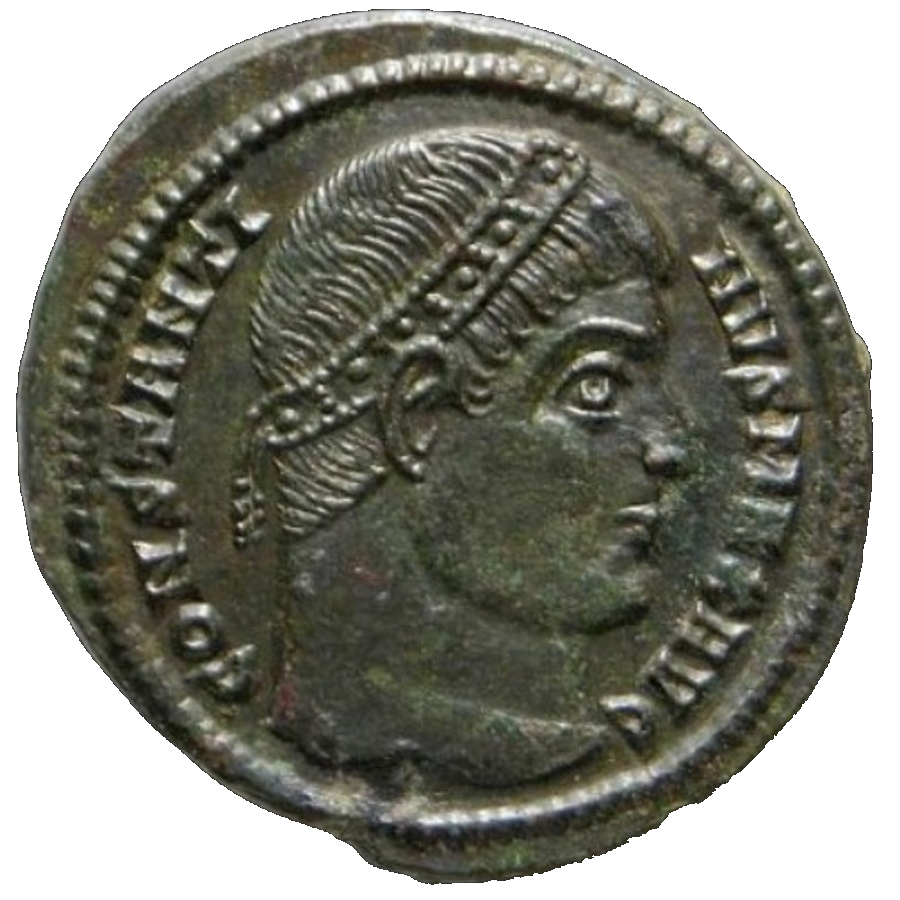
Constantine the Great NGC-certified Roman bronze coin
Start with Rome

Constantine, Aurelian, Diocletian — bronze coins of the emperors from $37.50, NGC-certified.

Browse Roman coins
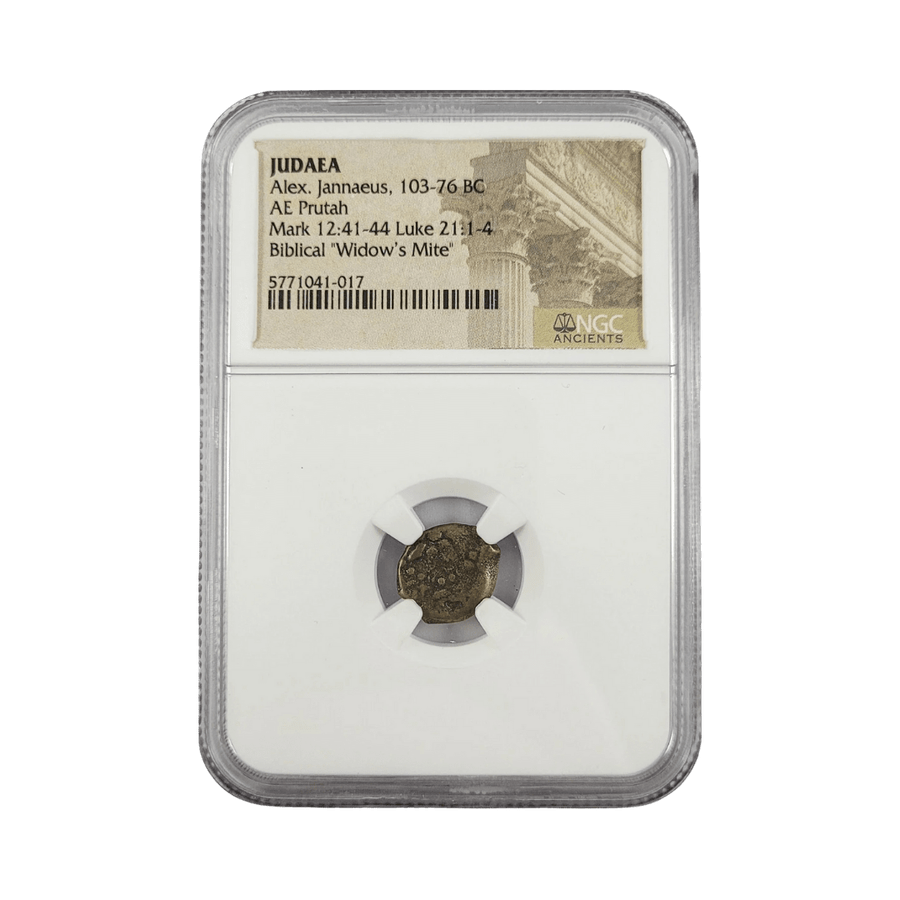
Alexander Jannaeus widow's mite Judaean bronze prutah in NGC slab
Start with the Biblical world

The Widow's Mite, Herod's prutot, coins of Judaea in the New Testament era — from $42.50.

Browse Biblical coinage
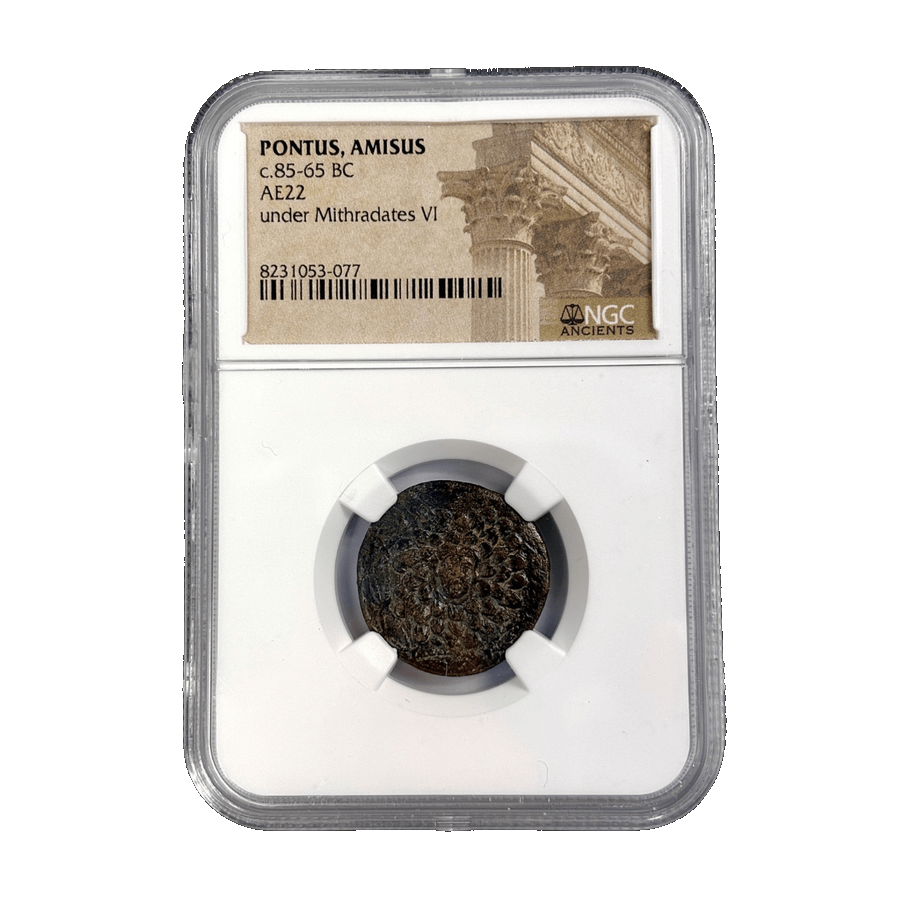
Amisos Greek bronze coin featuring Medusa, struck under Mithradates VI, in NGC slab
Start with Greece

Medusa, Zeus, Philip II of Macedon — the polis bronze from before Rome absorbed the Greek world. From $85.50.

Browse Greek coins
See all beginner-friendly ancient coins

Not sure this is your path?

Choose another starting point